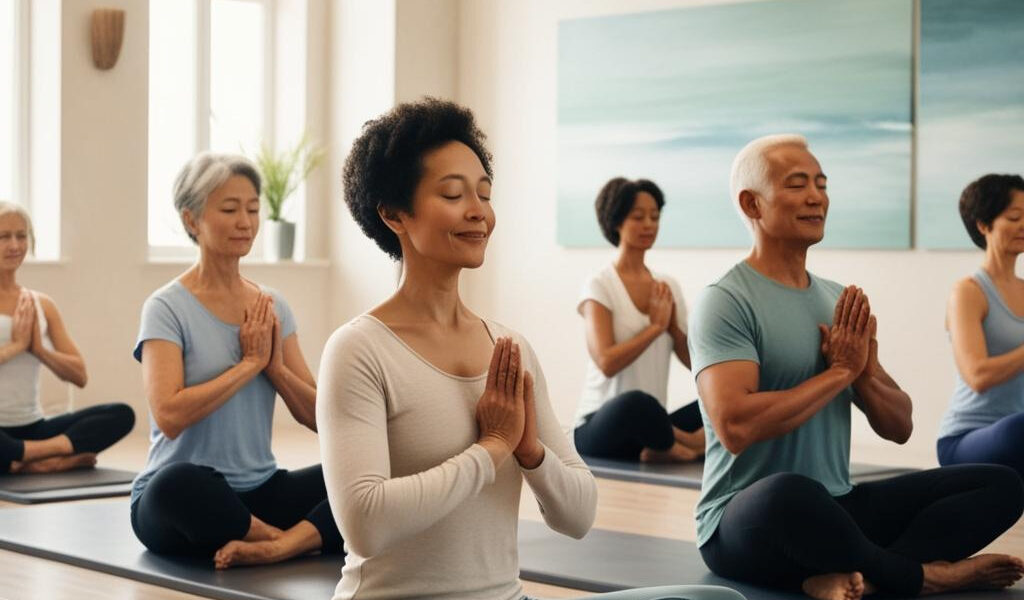
More Than Just a Workout: Pilates as a Holistic Lifestyle
Joseph Pilates believed in whole-body health—an integrated approach involving movement, nutrition, sleep, hygiene, fresh air, sunshine, and the balance between work and rest. He once claimed that consistent daily practice could reduce the need for hospitals or “insane asylums.” He recognised that when the body is organised, the rest of life often follows.
This concept of whole body being is central to Pilates today. When we restore functional movement patterns, regulate breathing, and bring awareness into the present, we create space for meaningful change—not just physically, but emotionally and mentally.
Creating Positive Movement Experiences
One of the most effective ways Pilates supports mental health is by helping clients experience successful, pain-free movement. This is especially critical for those living with chronic pain, where movement has become associated with fear or discomfort.
In Pilates, teachers offer modified, graded exercises that challenge clients without provoking symptoms. Over time, these positive movement experiences create new neural feedback loops—ones that replace fear with trust, pain with possibility.
🔁 When a client realises they can squat, reach, or breathe without discomfort, it shifts their internal narrative from “I’m broken” to “I’m capable.”
Building Awareness and Presence
Pilates is rooted in mindful movement. The coordination of breath and physical action naturally anchors attention to the present moment—a powerful antidote to anxiety or mental rumination.
By teaching clients to tune into their body, Pilates cultivates internal awareness. This builds confidence, self-reliance, and what Joseph Pilates called “body mastery.” A person who feels more connected to their own body often feels more equipped to navigate life’s challenges.
This shift from an external to an internal locus of control—from feeling controlled by symptoms to feeling in control of one’s body—has profound mental health benefits.
Belief Drives Results
A client’s belief in their ability to improve is one of the strongest predictors of their actual outcomes. More than flexibility or strength, mindset matters most.
Pilates influences belief by reinforcing what’s possible. Every time a client succeeds at something they thought they couldn’t do—lifting, breathing deeply, sitting pain-free—it rewrites their story.
For teachers, thinking like a practitioner also means recognising the role of thought hygiene—the way negative self-talk and internal dialogue can affect both movement and emotional regulation. Reframing unhelpful thoughts and supporting clients with encouraging language is an essential, though often under-recognised, part of our work.
The Role of Breath
Breath is one of Pilates’ fundamental principles—and for good reason. It’s not just a tool for movement efficiency; it’s also a bridge between the body and mind.
Intentional breathing activates the parasympathetic nervous system, promoting calm and reducing the “fight or flight” response. In Pilates, the breath guides, anchors, and regulates. Whether used to deepen abdominal connection or as a mindfulness cue, it supports emotional resilience as much as physical stability.
Movement and the Brain: Neuroplasticity in Action
Consistent, mindful movement—like Pilates—can foster neuroplasticity, the brain’s ability to form new neural pathways. When clients repeat positive movement experiences, they begin to “rewire” their system away from chronic pain responses and toward efficiency, ease, and confidence.
What starts as conscious effort evolves into embodied knowledge: subconscious, integrated movement that supports everyday function and wellness.
In Summary
Pilates is more than a physical practice—it’s a powerful ally in supporting mental and emotional health. Through breath, body awareness, belief, and positive movement experiences, clients don’t just move better—they feel more connected, empowered, and resilient.
As practitioners, our role is not to “fix” but to guide. We hold space for our clients to reframe pain, regulate stress, and rediscover the joy of moving. The impact can be life-changing.
Want to learn more?
-
Looking to deepen your understanding of Pilates and mental health? Explore our UK teacher training programmes.
-
New to Polestar? Find a Polestar-trained practitioner near you.